Find Hip Hop Alloy Necklace for Fashion, Gifts, and Religious Use
Explore 30 hip hop alloy necklace options to compare styles, plating, and specifications. This selection supports buyers sourcing for fashion accessories, gift items, and religious decorations with clear product details; compare the available evidence and request quotations based on your requirements.
Key considerations
Products List


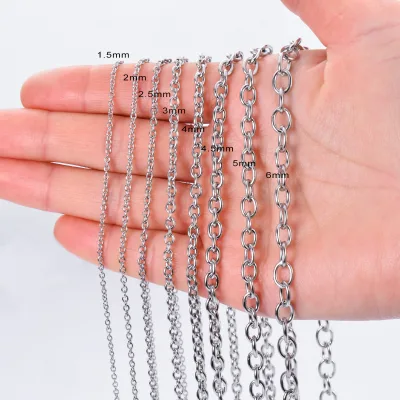


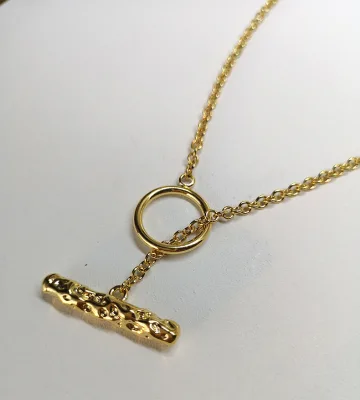


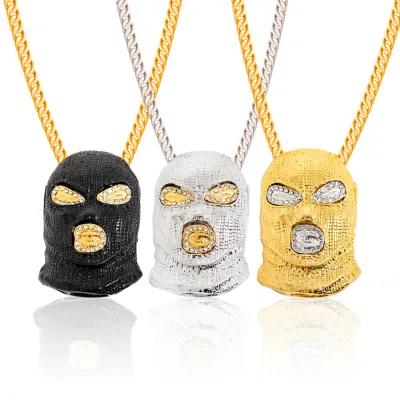


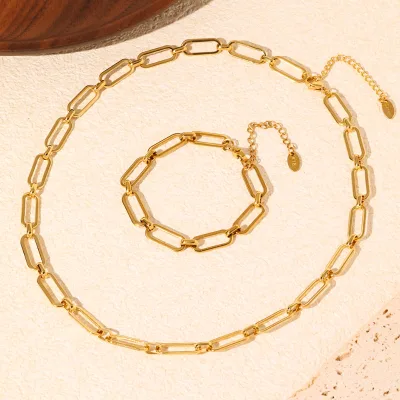
Comprehensive Sourcing Guide
Hip Hop Alloy Necklace Sourcing Guide
The hip hop alloy necklace category covers a broad spectrum of fashion jewelry built on non-precious metal bases with gold or silver plating, typically featuring bold pendant designs, thick chains, and statement styling. For B2B buyers, this category sits at the intersection of fashion accessories and religious or symbolic jewelry, which means product definitions vary widely between listings and factories. The observed product set includes alloy-based pieces, 925 sterling silver alternatives, round and square pendants, and star-shaped or geometric patterns, all marketed under a fashion or luxury style positioning.
This guide is written for importers, wholesale distributors, e-commerce sellers, and retail chain buyers evaluating suppliers in the Yiwu and Guangdong production clusters. It focuses on how to read listing attributes critically, which specifications to lock down before sampling, what documentation to request for regulatory and marketplace compliance, and how to structure commercial terms and long-term quality controls. Because listings often mix confident attributes with low-confidence background claims, every figure cited here is drawn directly from observed product-page data, and buyers are directed to verify anything else independently with suppliers.
Product Scope and Observed Listing Signals
Observed listings in this category share several structural signals that buyers can use to segment the assortment. Model families such as AVA1289, AVA1388, AVA1348, AVA1386, AVA1420, and NAIYE007 appear alongside silver-model references like AS20N1591S, CG21P1863S, SL19N4746S, and CG20N2486A, suggesting distinct alloy and sterling silver product lines. Material attributes alternate between alloy and 925 sterling silver, with plating listed variously as gold, silver, silver-plated, or copper. Declared unit weights range from very light pieces at 0.006 kg to heavier items at 210 g, indicating everything from thin chains to substantial statement necklaces.
Listing attributes also reveal the commercial framing. Suitability spans female, male, and children across some listings while others target female buyers only. Usage is described as decoration, religious, and in some cases health, and occasions include gifting. Chain length is specified at 45 cm on at least one listing, and pendant shapes include round and square. Packing is generally OPP or OPP bag, with one carton-packed listing. Buyers should treat these as observations of individual listings rather than guarantees across a supplier's catalog, and should confirm which attributes apply to each specific SKU before committing.
Technical Specifications to Verify
The most important technical decision is material composition. Observed listings split between alloy and 925 sterling silver, and this distinction drives cost, weight, tarnish behavior, and regulatory exposure. For alloy pieces, buyers should request the base metal composition in writing, since "alloy" can cover a range of blends with different nickel and lead implications. The declared weight of the 925 sterling silver listing is recorded as "925 sterling silver" rather than a gram value, so buyers must obtain actual net metal weight per piece to price accurately, especially where spot silver prices affect landed cost.
Plating and physical dimensions are the second verification block. Plating options in the observed set include gold, silver, silver-plated, and copper, and buyers should clarify plating thickness, base-layer sequence, and salt-spray or wear expectations in the purchase specification rather than relying on the attribute label. Where a chain length of 45 cm is stated, confirm whether that refers to the chain alone or includes the pendant, and request a dimensioned drawing for each model. Weight entries such as 0.006 kg, 24.6 g, 63 g, 89.2 g, 135 g, and 210 g should be cross-checked against physical samples, since declared and actual weights frequently diverge.
Compliance and Safety Documentation
Because hip hop alloy necklaces are worn against the skin and some listings indicate suitability for children, chemical safety is the primary compliance concern. Buyers should require third-party test reports covering heavy metals such as lead, cadmium, and nickel release for both the base alloy and the plating layers, with testing performed on the finished plated product rather than raw material only. One observed listing references a Third Party Appraisal certificate, which buyers should verify directly by checking the certificate number, scope, and issuing body rather than accepting the attribute at face value.
Marketplace and destination-market requirements should be mapped before ordering. Background signals in the category include ISO 9001, CE, REACH, and RoHS references, but these are low-confidence and must not be treated as confirmed supplier credentials; request current certificates and validate them with the issuing organizations. For children-suitable SKUs, ask which markets the supplier has previously shipped to and which additional restrictions, such as small-parts or labeling rules, were applied. Buyers should also confirm that any religious or health-related usage claims in supplier marketing materials can be substantiated or removed before resale, since unsupported claims create listing and customs risk.
Cost Drivers and Commercial Terms
Cost in this category is driven first by material choice. Alloy with gold or silver plating sits at the entry level, while 925 sterling silver pieces carry both higher material cost and greater price sensitivity to silver market movements. Observed listing prices range from 0.98 to 318.24 USD, which reflects this material split as well as differences in weight, plating complexity, and design. Heavier pieces in the observed weight data, from tens of grams up to 210 g, will scale directly with metal content, so buyers should negotiate metal-weight formulas or price-adjustment clauses for sterling silver orders.
Commercial terms observed include MOQs ranging from 10 to 1000 pieces, with one listing stating an MOQ of 100 PCS, and customization flagged as available on the alloy family. Buyers should confirm whether quoted prices include OPP or OPP bag packing, whether carton packing carries an upcharge, and what the unit cost looks like at the MOQ versus at meaningful volume breaks. Where customization is offered, clarify whether tooling, logo application, or bespoke pendant molds incur separate setup fees, and confirm who owns those molds. Payment terms, Incoterms, and lead times were not observed in the supplied data and must be negotiated explicitly.
Supplier Qualification and Quality Control
Supplier qualification should begin with an evidence-based review of the observed origin signals. Listings point to Yiwu in Zhejiang and Yiwu China as well as Guangdong, giving buyers two distinct sourcing clusters to evaluate: Yiwu for high-volume fashion alloy work and Guangdong for the sterling silver and third-party-appraised pieces. For each candidate, request business licenses, production capability evidence such as photos or video of plating lines and polishing stations, and references from buyers in the same category. Do not rely on catalog breadth as a proxy for capability.
Quality control should be structured around the specific failure modes of plated alloy and silver jewelry. Pre-shipment inspection should check plating adhesion and color consistency across the batch, clasp and chain strength, pendant attachment, dimensional conformity to the 45 cm specification where applicable, and weight tolerance against declared values such as 24.6 g or 135 g per model. Establish an AQL sampling plan in the inspection agreement, define acceptable plating defect types, and require golden samples sealed before mass production. For customization projects, inspect first articles separately and confirm packaging integrity in OPP bags before carton loading.
Long-Term Procurement Checks
Long-term value in this category comes from consistency, not just initial price. Buyers should track batch-to-batch plating color match against retained golden samples, because gold and silver tones drift easily when suppliers change plating baths or subcontract finishing. Establish a returns-and-defects feedback loop so that issues such as tarnishing, clasp failure, or stone or pendant loss are quantified by model, and review these rates with the supplier quarterly. For sterling silver lines, agree in advance how silver price movements will be handled, whether through fixed validity windows or formula pricing tied to published market rates.
Assortment and model lifecycle management matter equally. Observed model families such as AVA1289 through AVA1420, NAIYE007, and the silver-series references suggest suppliers refresh designs regularly; buyers should ask how long each model remains in production and secure written notice periods before discontinuation. Keep updated technical files for every SKU, including composition declarations, plating specifications, weight records, and certificate copies, so marketplace audits and destination-market inspections can be answered quickly. Requalify suppliers annually with fresh third-party testing rather than relying on certificates submitted at onboarding.
FAQs
What materials are used for hip hop alloy necklaces?
These necklaces are primarily made from alloy materials. Some specific models may also feature 925 sterling silver components. The plating options typically include gold, silver, or copper finishes to achieve the desired aesthetic and durability for fashion jewelry applications.
What is the typical MOQ for ordering these necklaces?
The minimum order quantity observed for these products ranges from 10 to 1000 pieces. Specific listings may require a minimum of 100 pieces. Buyers should verify the exact MOQ with the supplier, as it can vary based on the specific model and customization requirements.
Can hip hop alloy necklaces be customized for branding?
Yes, customization is available for these products. Buyers can request specific modifications to suit their brand identity or design preferences. This includes adjustments to plating colors, pendant shapes, or other structural elements, subject to the supplier's production capabilities and minimum order requirements.
What are the common pendant shapes for these necklaces?
Common pendant shapes include round, square, and star designs. Geometric patterns are also frequently used in the collection. The specific shape depends on the model selected, with options ranging from simple circular pendants to more complex geometric or star-shaped forms.
Where are these hip hop alloy necklaces manufactured?
The primary manufacturing locations are Yiwu in Zhejiang and Guangdong in China. These regions are known for their jewelry production capabilities. Buyers can source from suppliers based in these areas to ensure access to the specific product lines and manufacturing standards described.
What is the price range for these necklaces?
The observed price range for these items is between 0.98 and 318.24 USD. The final price depends on the specific material, plating, and design complexity. Buyers should request a detailed quote based on their selected model and order volume to determine the exact cost.
What packaging options are available for these necklaces?
Standard packaging options include OPP bags and cartons. Some products may be packed in OPP bags for individual protection, while others use cartons for bulk shipping. Buyers can discuss specific packaging needs with the supplier to ensure the products arrive in suitable condition.